AI Agent Orchestration Frameworks Compared
Choosing the right framework matters more than teams realize under deadline pressure.
Tobias Wrenfield
Technical Editor, MCP & Agentic Infrastructure
Tobias Wrenfield is a former platform architect who spent a decade building distributed authorization systems at enterprise software firms before moving into technology journalism in 2017. His reporting translates low-level protocol design into governance implications for security and engineering teams.
15 stories
Choosing the right framework matters more than teams realize under deadline pressure.
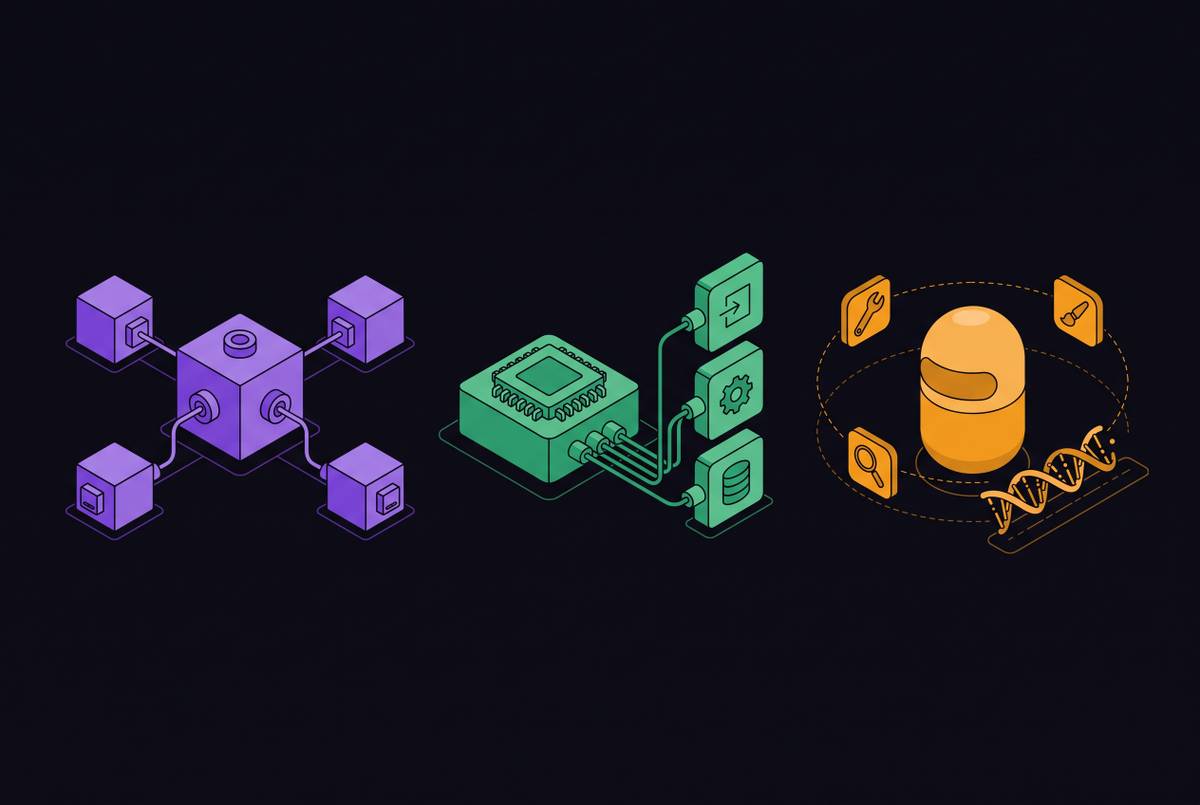
Each is an architectural layer, not interchangeable tools for the same job.
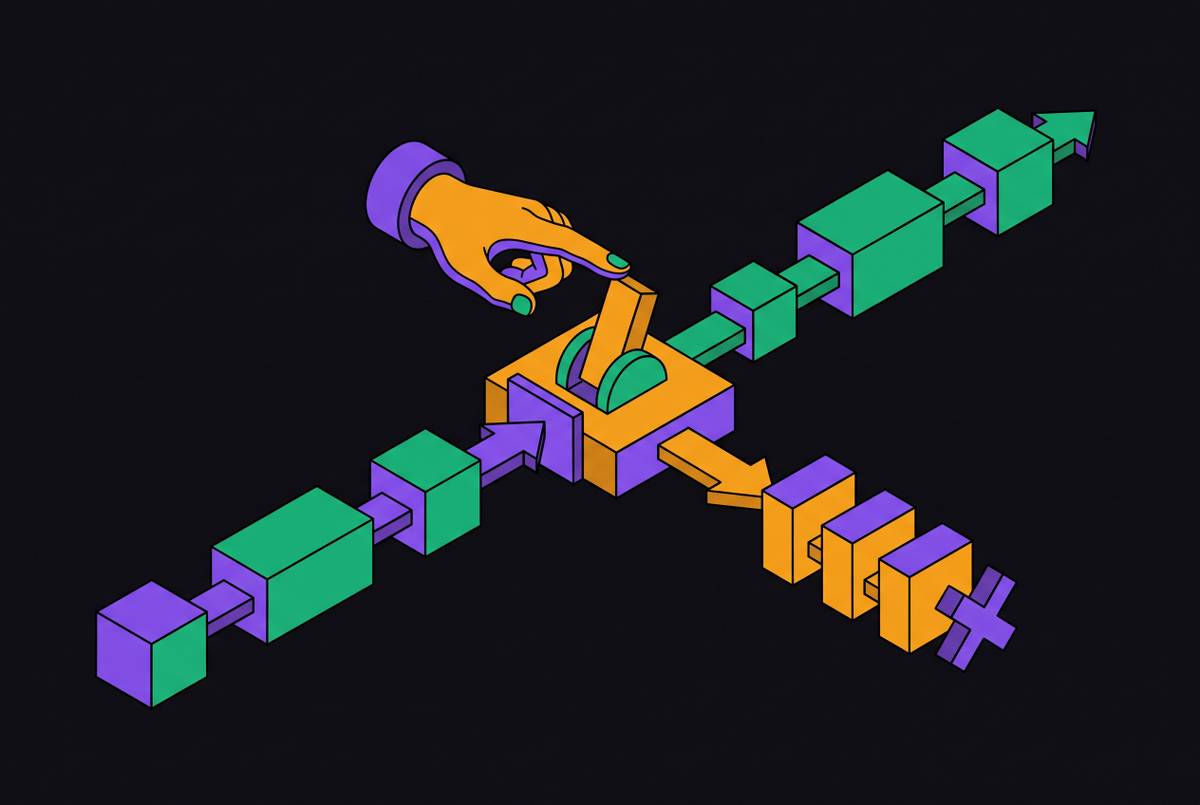
Agents act faster than humans can review, so oversight needs to happen before they move.
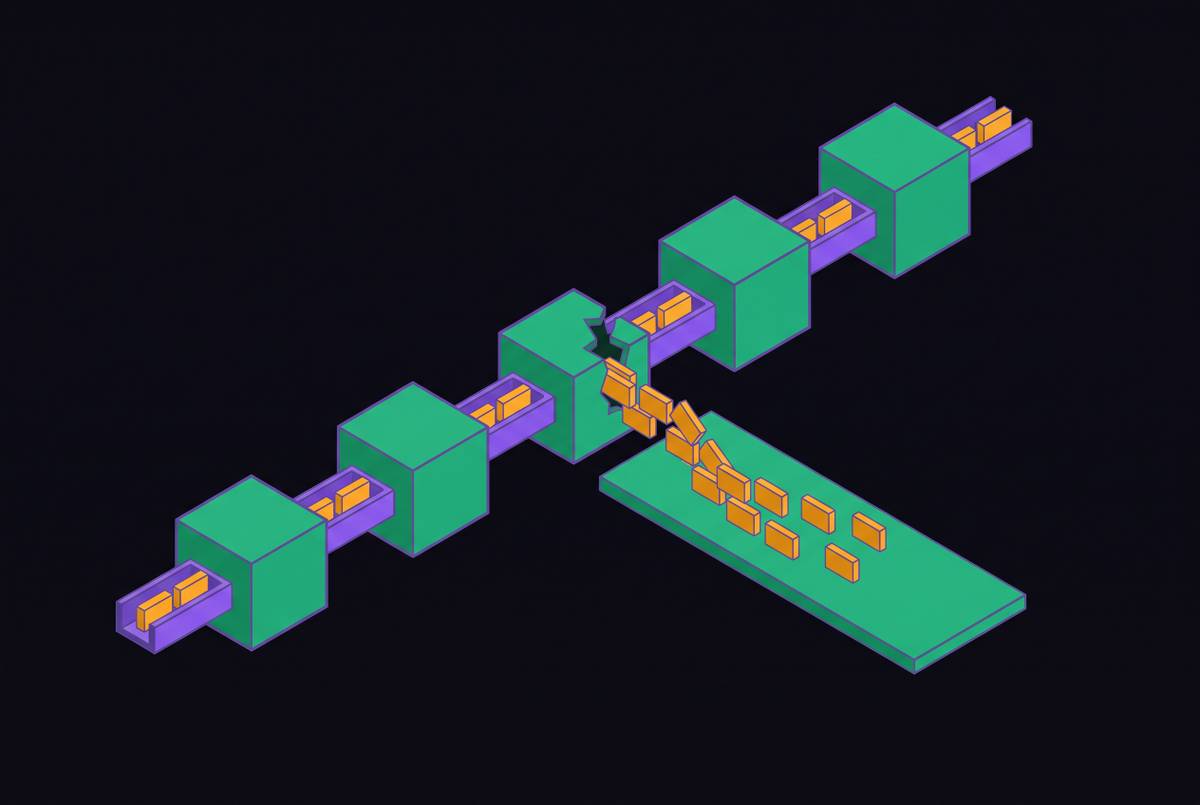
Attackers can exfiltrate data through legitimate tool calls agents are designed to make.
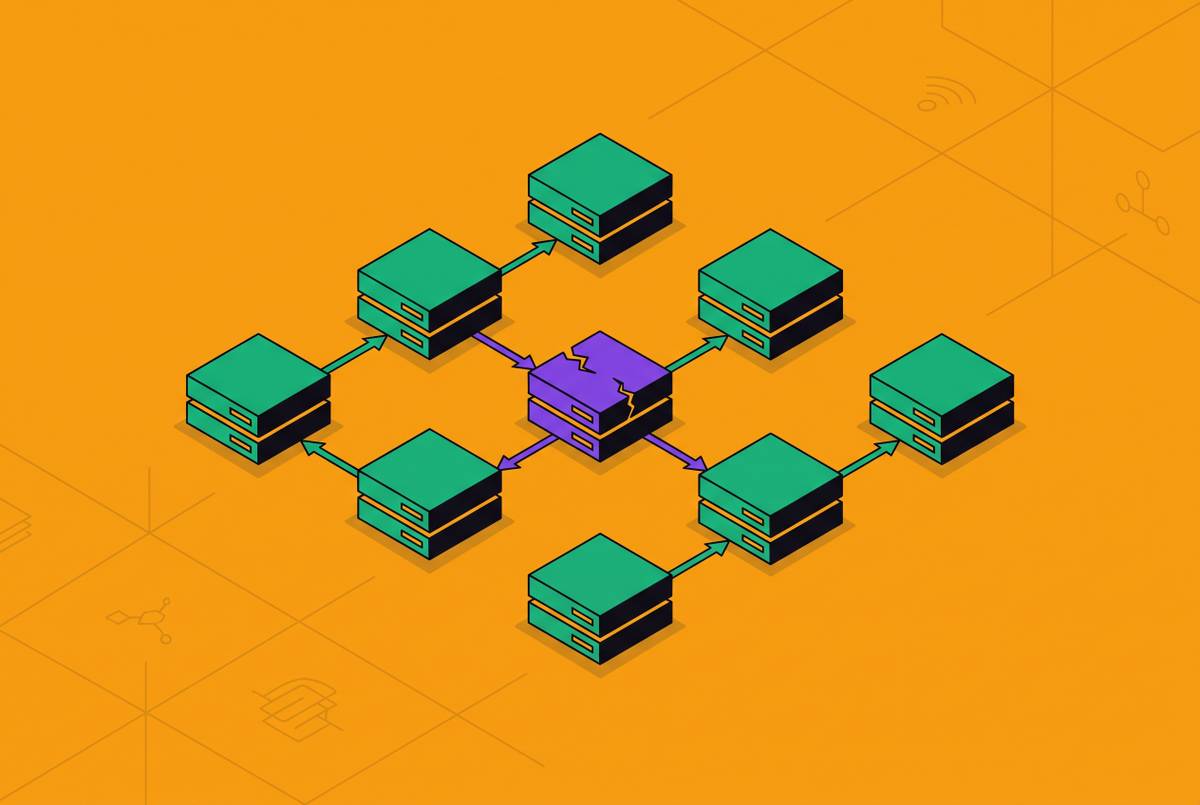
Compromised MCP servers become pivot points for reaching every connected system and credential.
Most MCP servers rely on static keys despite OAuth being the safer standard.
Kubernetes handles the operational demands enterprise MCP fleets actually have.
Control over when each primitive runs determines whether your MCP server works across clients.
Picking the wrong MCP transport layer traps you in a six-month migration nobody budgeted for.
Designing which agents talk to whom determines your governance model and blast radius.
MCP adoptions stall when governance lags engineering, not the other way around.
AI agents need the same access controls that already govern your employees.
Five criteria interlock—skip one and your AI agent layer crumbles.
Stateful handshakes and transport fragmentation make MCP discovery harder than REST API discovery.
Security controls must run through the gateway, not just traffic.