Vetting and Rug Pull Protection for Third-Party MCP Servers in Enterprise Agent Pipelines
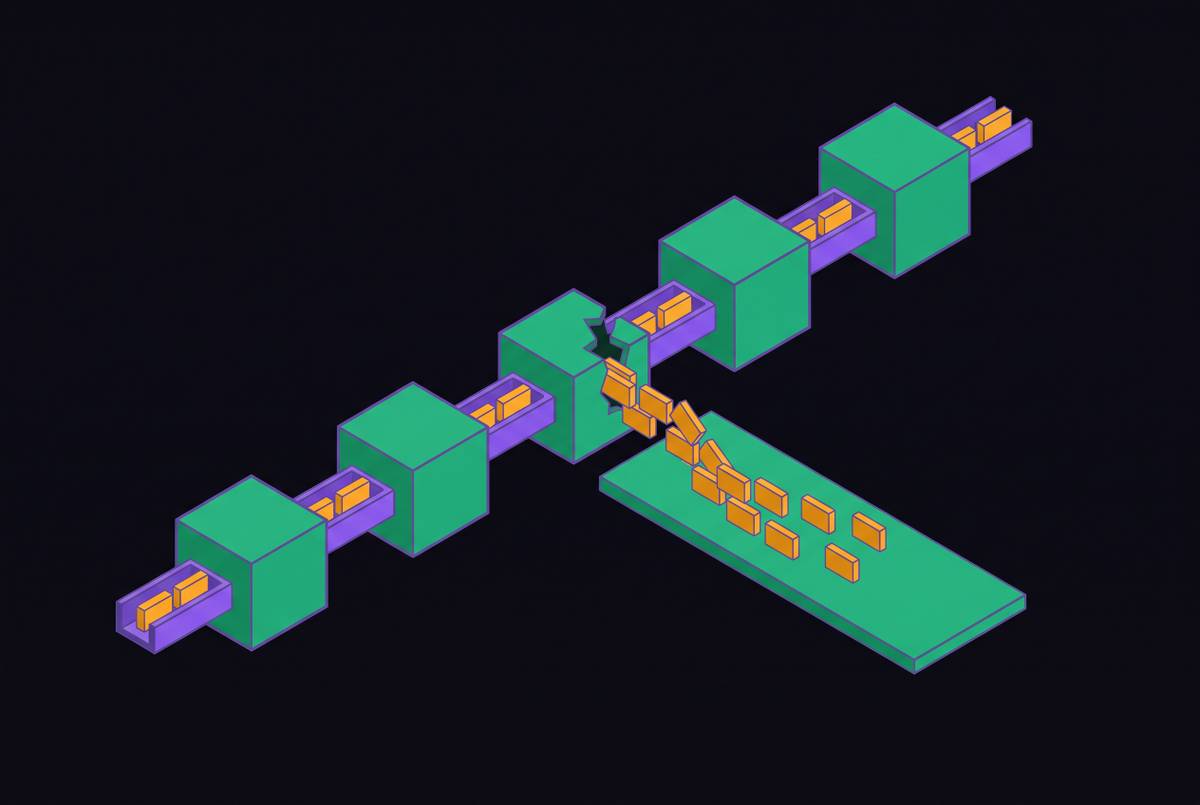
MCP servers can turn malicious after approval, exploiting how trust binds to names, not behavior.
Priya Subramaniam
Section
10 stories in MCP Security.
MCP servers can turn malicious after approval, exploiting how trust binds to names, not behavior.
Long-lived MCP agents hold secrets far longer than stateless APIs were designed to manage.
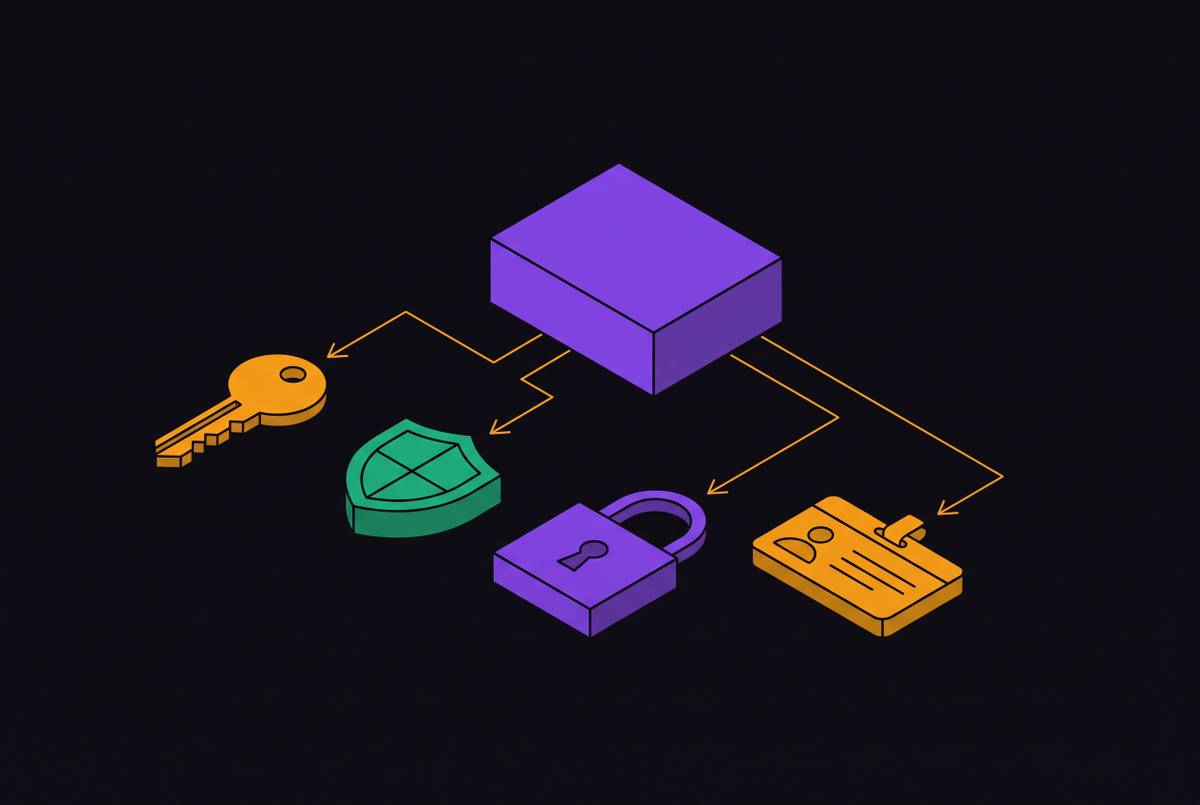
Organizations must choose between RBAC, ABAC, and PBAC to fill MCP's missing authorization layer.
MCP's runtime tool discovery rewrites how OWASP's LLM risks actually happen.
Unverified server registries and weak identity checks open MCP systems to impersonation at scale.
Legitimate agent tool calls expose sensitive data when servers lack authentication and verification.
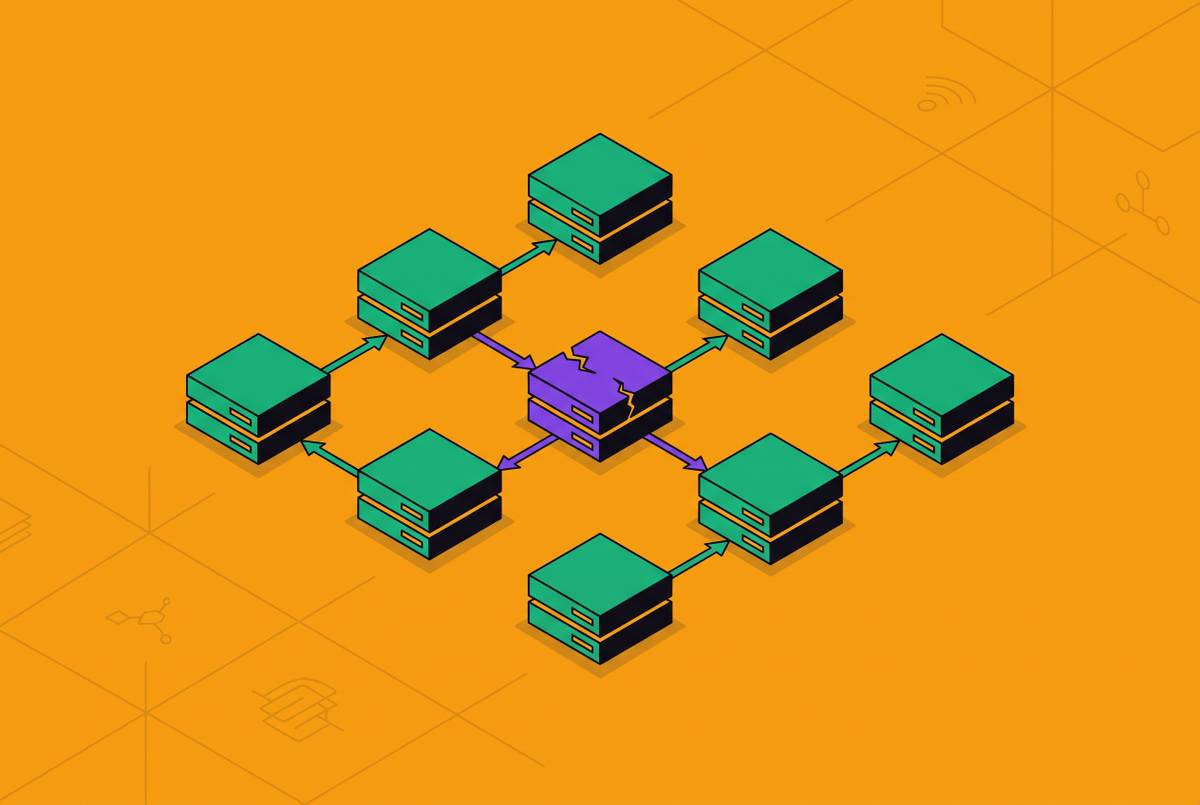
Compromised MCP servers become pivot points for attackers across entire agent sessions.
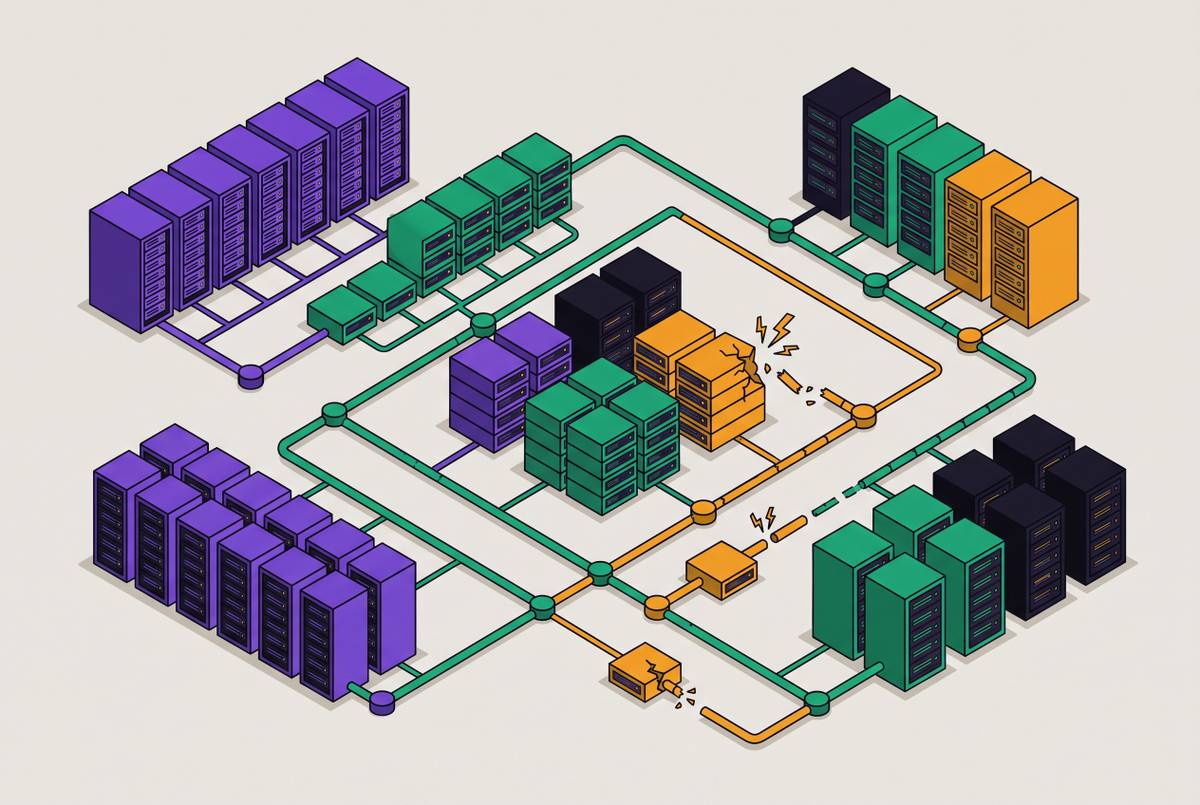
Enterprises are running unvetted third-party servers that scanners can't actually inspect.
Most MCP teams chose the easiest method, not the safest one.
Attackers can hijack AI agents by hiding malicious instructions in tool descriptions and content.