MCP Security
Prompt Injection Attacks Targeting MCP Tool Calls
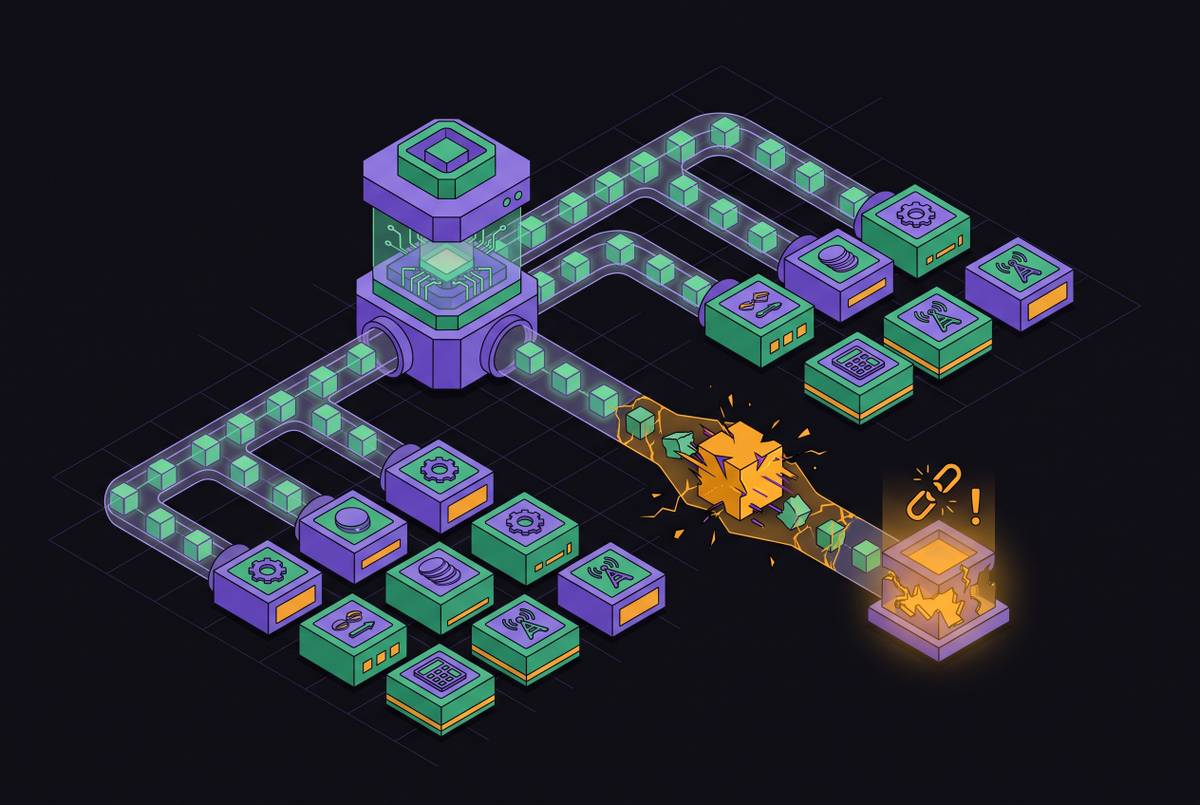
Attackers exploit LLMs' inability to distinguish instructions from data in tool descriptions.
Camille Whitfield
Reporter · · 12 min read
Attackers exploit LLMs' inability to distinguish instructions from data in tool descriptions.
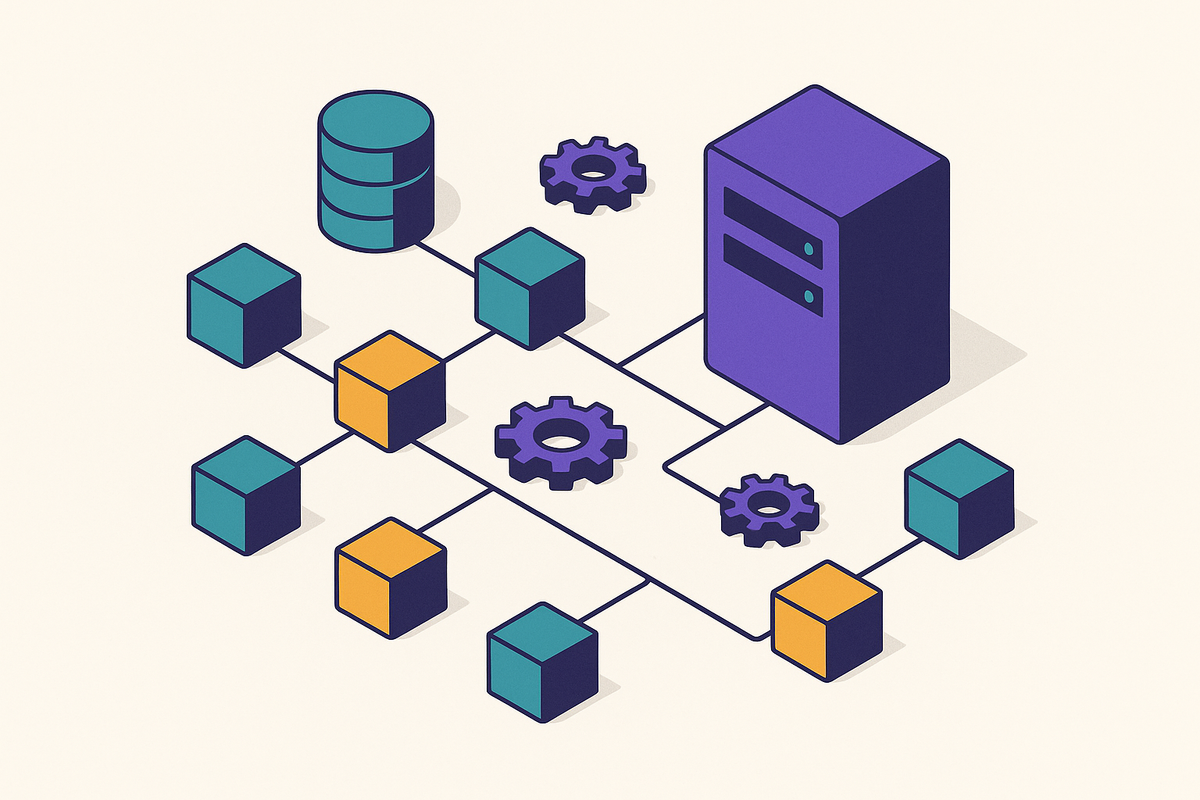
Kubernetes handles the operational demands enterprise MCP fleets actually have.
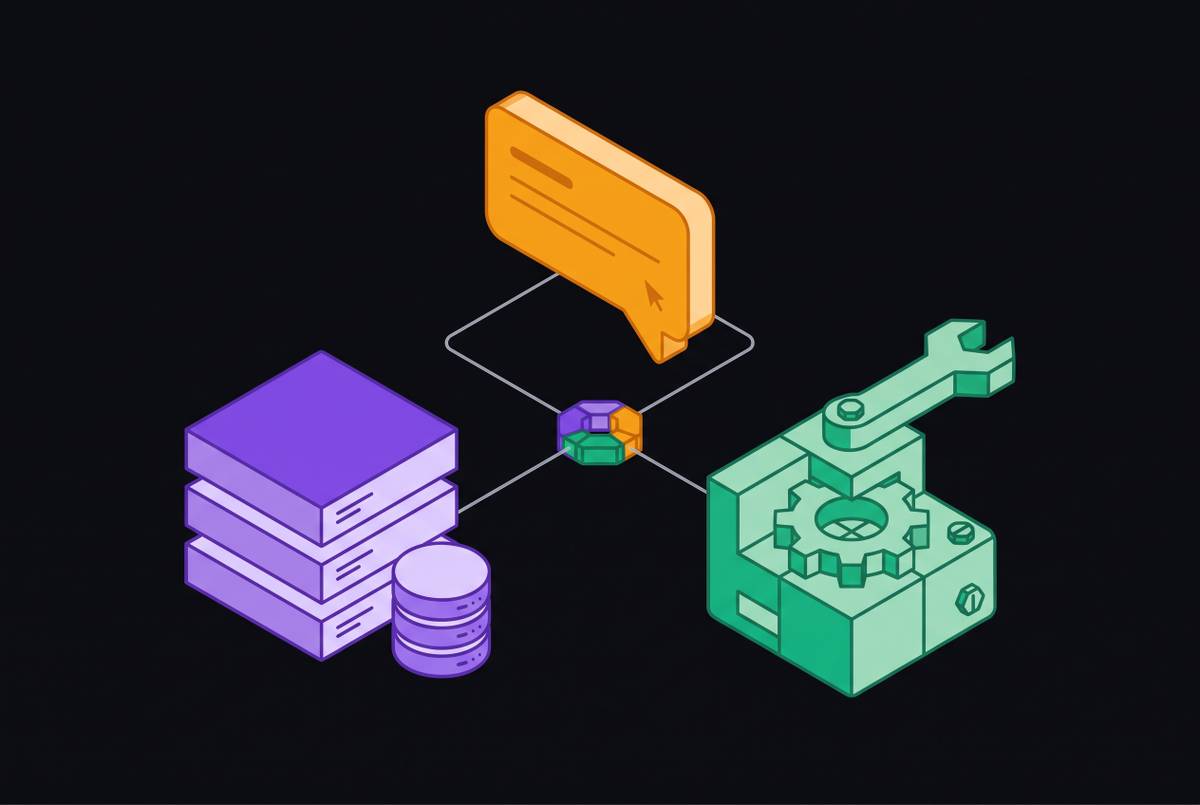
Understanding which primitive controls invocation saves your MCP server from cross-client failure.
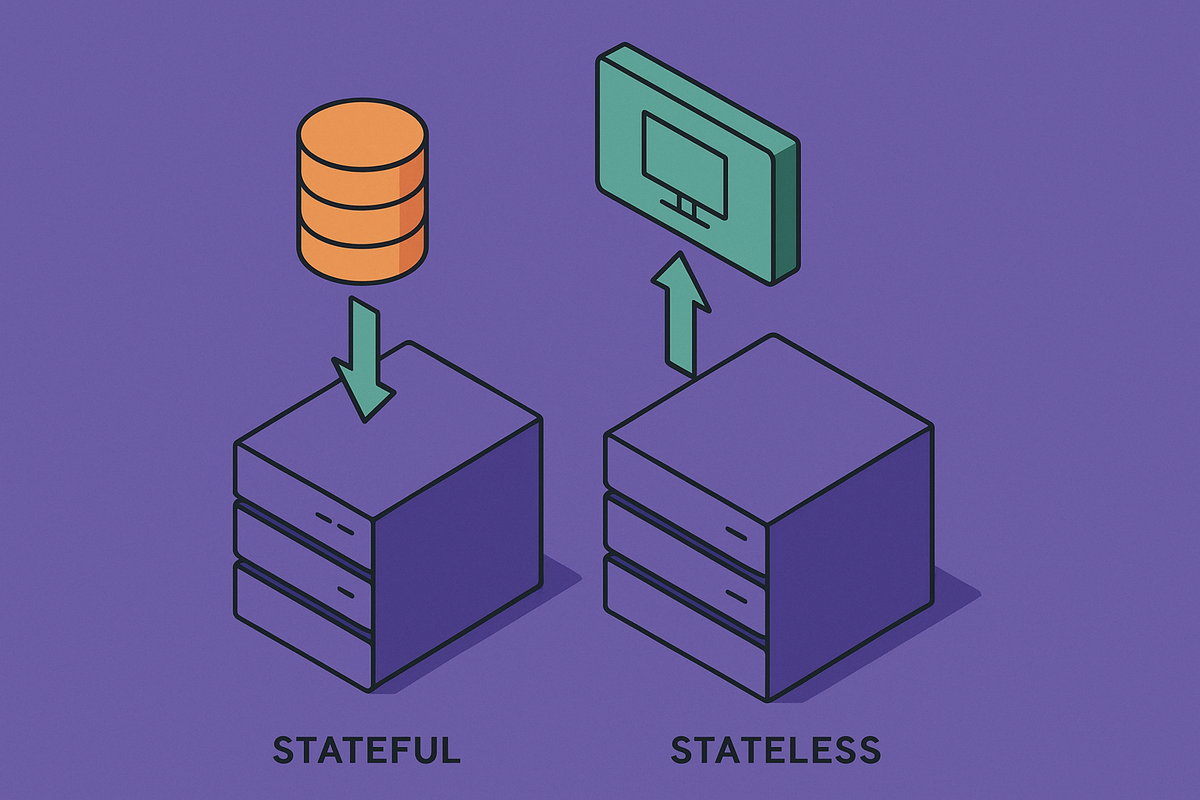
Choosing stateful or stateless shapes how your MCP server scales.
Backwards-compatible changes don't bump the version date, making protocol evolution harder to track.
Picking the wrong MCP transport layer traps you in a six-month migration nobody budgeted for.
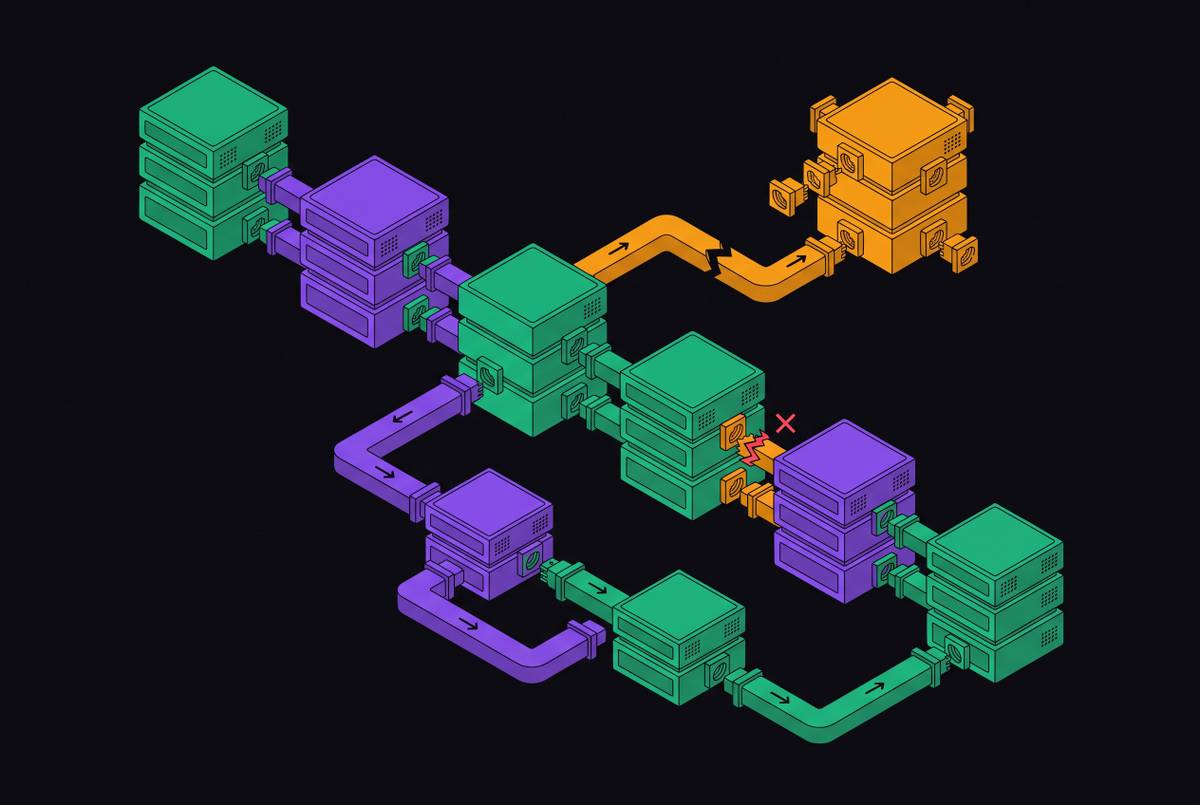
Designing which agents talk to whom determines your governance model and blast radius.
Three fields in your tool schema determine whether AI agents can run wild or stay locked down.
Governance discipline, not adoption rates, determines which MCP pilots actually reach production.
A three-layer testing framework catches MCP failures before they reach production.
Autonomous agents need tool-call tracing, access logging.
Governance must precede deployment or MCP rollouts fail at scale.